


Emo vs Goth: 7 Differences in Music, Style & Culture (2026)
While Goth and Emo both find beauty in the shadows, they are distinct worlds of their own. Explore the essential differences between Goth’s historical, dark romanticism and Emo’s raw, personal emotional expression. From their musical roots in post-punk and hardcore to their unique fashion statements like Victorian lace versus band tees, this guide demystifies the two subcultures and celebrates their unique ways of embracing individuality.
Emo and goth are different music-rooted subcultures, even though their fashion can overlap. Goth grew from the late-1970s and early-1980s UK post-punk scene and centers goth rock, darkwave, deathrock, clubs, art, and a broad dark aesthetic. Emo began in the mid-1980s Washington, D.C. hardcore scene and developed through several waves of emotionally direct punk, indie rock, post-hardcore, and emo-pop. Black clothes, eyeliner, dyed hair, piercings, and dramatic styling can appear in either scene, so an outfit alone cannot reliably tell you whether someone is emo or goth.
The simplest way to separate them is to start with the music and community, then look at fashion. A person can enjoy both subcultures, but the labels are not interchangeable.
The Main Difference Between Emo and Goth
Goth is rooted in goth rock and the UK post-punk tradition; emo is rooted in emotional hardcore and the Washington, D.C. punk tradition. Both scenes value self-expression and have changed across decades, but they developed from different musical lineages, communities, and cultural reference points. Neither label describes a fixed personality, mental-health state, or age group.
Emo vs Goth at a Glance
| Difference | Goth | Emo |
|---|---|---|
| 1. Musical roots | Late-1970s and early-1980s UK post-punk and goth rock. | Mid-1980s Washington, D.C. hardcore and the early emocore scene. |
| 2. Early touchstones | Bauhaus, Siouxsie and the Banshees, the Cure, and other post-punk artists central to or associated with the early scene. | Rites of Spring and Embrace, followed by later regional and stylistic waves. |
| 3. Common sound | Atmospheric bass, stark or effects-heavy guitar, dramatic vocals, and dark post-punk textures. | Emotionally direct vocals and dynamic punk or indie-rock arrangements; the sound varies widely by era. |
| 4. Lyrical and artistic themes | Romance, mortality, alienation, theatrical darkness, literature, and the uncanny. | Personal relationships, vulnerability, identity, conflict, and emotional candor. |
| 5. Fashion signals | Black layers, boots, lace, leather, silver jewelry, dramatic makeup, and styles ranging from trad goth to romantic, cyber, or pastel looks. | Band shirts, fitted or layered pieces, dark denim, sneakers, side-swept or dyed hair, eyeliner, and era-specific punk or alternative details. |
| 6. Community | Goth clubs, concerts, festivals, zines, fashion, art, and online communities. | DIY shows, labels, bands, fan communities, alternative press, and later online scenes. |
| 7. What does not define it | Wearing black, liking horror, or having a quiet personality is not enough by itself. | Feeling sad, being a teenager, or wearing eyeliner is not enough by itself. |
Where Emo and Goth Overlap
Emo and goth can share dark colors, expressive makeup, alternative fashion, DIY values, and a sense of belonging outside the mainstream. Those similarities are real, but they are visual and cultural overlap—not proof that the two scenes have the same history or music.
A useful rule is music first, clothes second. Ask what bands, scenes, and communities a person connects with instead of assigning a label from one outfit. That approach is both more accurate and more respectful.
What Is Emo? Music, History, and Culture
Emo began as a music term, not a personality type or a dress code. It grew out of the Washington, D.C. hardcore punk community in the mid-1980s, where bands brought more personal, vulnerable, and dynamically expressive writing into a scene known for speed and intensity.
First-Generation Emo: Washington, D.C. Emocore
Rites of Spring and Embrace are widely treated as foundational early emo bands. Minor Threat belongs to the surrounding D.C. hardcore context, while Fugazi formed later and is better described as an influential post-hardcore band than as the founder of emo. This distinction matters because it keeps the family tree clear without pretending that one label covers every related D.C. band.
Second-Generation Emo: Regional and Indie Expansion
During the 1990s, emo moved through regional DIY scenes and mixed with indie rock and post-hardcore. Bands such as Sunny Day Real Estate, Mineral, the Promise Ring, and the Get Up Kids helped broaden its sound. “Midwest emo” became a useful scene and style label, often associated with intricate guitar work, shifting dynamics, and reflective songwriting, but it is not the name for every second-wave emo band.
Third-Wave and Mainstream Emo
In the 2000s, emo and emo-adjacent music reached a much larger audience through alternative rock, post-hardcore, pop-punk, magazines, touring festivals, and online communities. The word “emo” was also applied very loosely in popular culture, which is one reason music fans still debate where the genre begins and ends. A careful comparison should acknowledge that debate instead of treating every dark-looking 2000s band as the same genre.
Emo Subculture
Emo culture developed around music, concerts, fan communities, DIY media, and emotionally open songwriting. Fashion became a visible part of some eras, but there is no universal emo uniform. People of different ages, identities, and personalities participate, and emotional honesty should not be confused with depression or a mental-health diagnosis.
Emo Kawaii Pink Raccoon Stuffed Toy

Meet "Yes Pinkman," the raccoon who understands your social exhaustion. 🦝💖 Hidden behind a vibrant pink mask and a black bow, he represents the struggle of saying "yes" when you want to say "no." With fluffy long-pile faux fur, he is the perfect soft shield against a loud world.
Pros
- Relatable "socially exhausted" backstory.
- Ultra-fluffy long pile faux fur.
- Unique pink mask design.
- Perfect emotional support for introverts.
Cons
- Long fur requires occasional brushing.
Prices: $32.99
Emo Pink Bunny Foxy Plush

Is it a bunny or a fox? It's a beautiful identity crisis. 🦊🐰 This hybrid plush features mismatched eyes (one heart, one X) and embroidered "scars" that tell a story of resilience. With a fancy white collar and pinkish-purple minky fur, it’s an elegant yet edgy companion for your emo collection.
Pros
- Unique bunny-fox hybrid design.
- Cool mismatched eye embroidery (Heart & X).
- Elegant white fluffy collar detail.
- Soft smooth minky fabric.
Cons
- Complex design might not suit minimalists.
Prices: $32.99
Emo Creepy Pink Bunny Stuffed Animal

Locked away but still cute! ⛓️🎀 This Emo Bunny rocks a "prison-chic" look with a lavender striped dress and a crooked zigzag smile. The deep purple bow and hypnotic ringed eyes give it a quirky, slightly unhinged vibe that’s perfect for anyone who loves the "creepy-cute" aesthetic.
Pros
- Unique "prison" striped dress design.
- Quirky zigzag embroidered mouth.
- Hypnotic black ring eyes with blue pupils.
- Perfect balance of spooky and sweet.
Cons
- Bow tie is not removable.
Prices: $29.99
The EMO subculture was originally formed by listeners of 80s EMO-core bands and has since evolved and changed with the influence of 90s EMO and 00s EMO bands as well as other popular cultures such as movies, anime, and the internet. Emo burst into the mainstream as a trendy and cool subculture in the 00s.
Emo Fashion Outfits
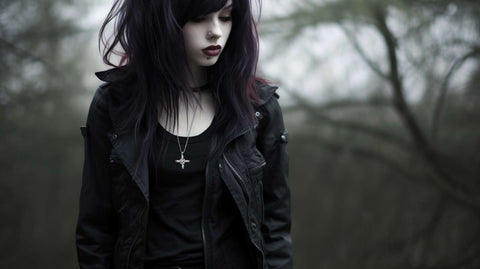
Emo fashion dressing changes by era and scene, but common references include band shirts, fitted or layered tops, dark denim, hoodies, sneakers or boots, studded accessories, eyeliner, and dyed or side-swept hair. These details can communicate musical taste or personal style, yet no single item makes someone emo.
- Band-centered pieces: shirts, patches, and pins connected to music the wearer actually enjoys.
- Layering and contrast: black mixed with red, white, pink, plaid, or a brighter accent.
- Casual footwear: sneakers, skate shoes, or boots, depending on the era and individual.
- Expressive hair and makeup: optional visual choices rather than membership requirements.
What Is Goth? Music, History, and Culture
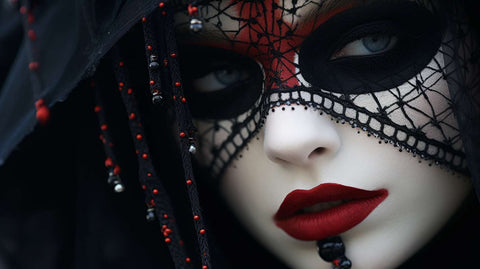
Goth developed from Britain’s late-1970s and early-1980s post-punk scene. Music remains its clearest foundation, while clubs, fashion, literature, visual art, film, and online communities have helped the culture expand and endure.
Gothic Origins
Bauhaus’s 1979 single “Bela Lugosi’s Dead” is often treated as a defining early goth-rock recording. Siouxsie and the Banshees, the Cure, and other post-punk artists also shaped the scene, though band labels can vary by album and period. Joy Division is better described as a major post-punk precursor or influence, while artists such as Nine Inch Nails and Marilyn Manson may use goth-influenced imagery without being goth-rock acts.
Goth Outfit
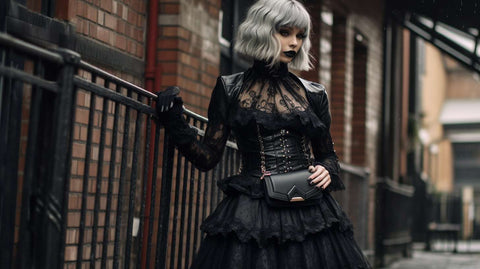
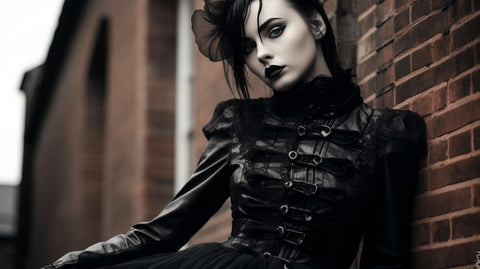
Goth fashion can include black layers, lace, velvet, leather, corsetry, fishnets, boots, silver jewelry, and dramatic makeup, but it is far more varied than one checklist. Goth fashion may draw from punk, romantic, Victorian, industrial, fetish, minimalist, or contemporary streetwear references. Readers who want a softer decor or gift interpretation can also browse the original Goth Plushies link.
It also helps to separate music genres from fashion labels. Goth rock, darkwave, and deathrock describe musical traditions or scenes; Victorian goth, romantic goth, cyber goth, and pastel goth are commonly used style or community labels. They can overlap, but they are not interchangeable categories.
Accessories such as rings and chokers can support an outfit without defining the wearer. For example, rings with dark gemstones or gothic motifs can add detail, while boots, bags, or makeup may carry the same visual weight. The strongest look is usually intentional and personal, not a costume assembled from every possible symbol.
The gothic aesthetic can extend into a room or collection as well as an outfit. The original themed companions below remain unchanged.
Vampire Goth Black Cat Plush

This 12-inch gothic cat combines elegance with a spooky twist. Crafted with intricate black lace fabric and faux rabbit fur, it features glowing eyes (NFC version) that shine in the dark. It is the perfect mysterious guardian for your dark aesthetic collection. 🐈⬛✨
Pros
- Intricate lace and faux fur fabric blend.
- Eyes glow in the dark after light exposure.
- Perfect size (12 inches) for display or hugging.
- Sophisticated "Vampire Goth" aesthetic design.
Cons
- Glow feature requires charging with light first.
Prices: $29.99
Goth Black and White Dizzy Dragon

Unleash a whirlwind of cute chaos with this Dizzy Dragon! 🐉 Featuring a striking black and white spiral design and adorable wings, it balances a "dizzy" personality with cool goth vibes. Soft, unique, and ready to fly into your heart. 🌪️🖤
Pros
- Striking black and white high-contrast design.
- Adorable "dizzy" eyes add unique personality.
- Soft plush fabric perfect for cuddling.
- Cool fantasy creature with a goth twist.
Cons
- Staring at its eyes for a long time may make you dizzy.
Prices: $29.99
Goth Voodoo Blue Bunny Plush

This enchanting "Voodoo Blue" bunny blends comfort with mystery. 💙🐰 Featuring smooth minky fabric, intricate appliqué embroidery, and a melancholic expression, it’s a poetic companion for those who love the unconventional. A friend, not a fright!
Pros
- Deep blue color is calming and unique.
- Intricate appliqué embroidery shows high quality.
- Smooth minky fabric is ultra-soft.
- Playful ribbon bows add a sweet touch.
Cons
- Melancholy expression might feel too sad.
Prices: $29.99
Goth Subculture
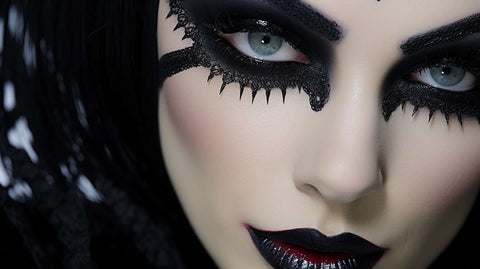
Goth is a diverse, long-running subculture organized around music, nightlife, art, fashion, publications, festivals, and community. It is not a single personality profile. Interest in dark or romantic themes does not mean that someone is depressed, violent, antisocial, or “evil,” and those stereotypes obscure the creativity and variety within the scene.
Goth also differs from “gothic.” Gothic can describe a literary, architectural, artistic, or visual tradition; goth usually refers to the music-rooted subculture or a participant in it. Someone can enjoy gothic novels or decor without identifying as goth.
If you want to explore the fashion side further, the original guide to Goth brands is a useful next step.
You May Also Like:
Emotions, Personality, and Common Stereotypes
Emo and goth both make room for difficult, dramatic, or introspective themes, but neither subculture can be diagnosed from a mood. Emo lyrics often use direct personal language; goth music and art may explore romance, mortality, alienation, horror, spirituality, or theatrical darkness. That is a difference in artistic tradition, not evidence that emo people only “look inward” while goth people only “look outward.”
Age is not a reliable dividing line either. Both scenes have longtime participants as well as newcomers. The respectful approach is to ask how someone identifies and what music or community they connect with rather than guessing from hair, makeup, or clothing.
So, What Is the Difference Between Emo and Goth?
Start with origin and music: emo grew from mid-1980s Washington, D.C. hardcore, while goth grew from late-1970s and early-1980s UK post-punk and goth rock. From there, each developed its own scenes, bands, visual references, and language. Fashion overlaps, but goth often ranges from post-punk minimalism to romantic or theatrical styling, while emo fashion often reflects a particular punk, indie, post-hardcore, or 2000s alternative era.
If you are exploring the softer decorative side of either look, the original Emo-style collection link remains available. You can also compare the Gothic and EMO style Stuffed Animals collections without treating the products as definitions of the cultures themselves.
Conclusion
Emo and goth overlap visually, but they are not two names for the same thing. Goth is anchored in goth rock and the UK post-punk scene; emo is anchored in emotional hardcore and the D.C. punk scene. Music, history, and community provide a better answer than clothing stereotypes. You can enjoy one, both, or neither—and you do not need to perform a fixed personality to belong.
FAQs
Are emo and goth the same thing?
No. They are separate music-rooted subcultures with different origins. Their clothes and makeup can overlap, but goth developed from UK post-punk and goth rock, while emo developed from the Washington, D.C. hardcore scene.
Can I be both emo and goth?
Yes. A person can genuinely participate in or enjoy both scenes. That does not make the labels interchangeable; it means individual taste can cross subcultural boundaries.
Can you tell emo and goth apart by clothes alone?
Not reliably. Black clothing, eyeliner, dyed hair, boots, and alternative accessories appear in many scenes. Music, community, and self-identification are stronger signals.
Is Marilyn Manson goth?
Marilyn Manson has used imagery that many people associate with goth, but the music is generally categorized outside goth rock. Visual darkness alone does not determine a music genre.
What is the difference between goth and gothic?
Goth usually refers to the music-rooted subculture. Gothic is broader and can describe literature, architecture, art, film, or an aesthetic. Someone can love gothic style without identifying as goth.
4件のコメント
The difference between emo and Goth is very simple.
Emo wants to die.
Goths want everybody else to die.
Cue black clothing and spooky stuff.
Your post is incredibly helpful. I truly appreciate the Gothic Attitude you bring to your content
Yes they are interchangeable, a person can be a mix of all kinds of things. I’m a mix of emo, goth, hard rock and country. Just be yourself and live your best life.
Very informative. Thanks.
Are they interchangeable? Can a person be a mixture of both or do they have to be one or the other?